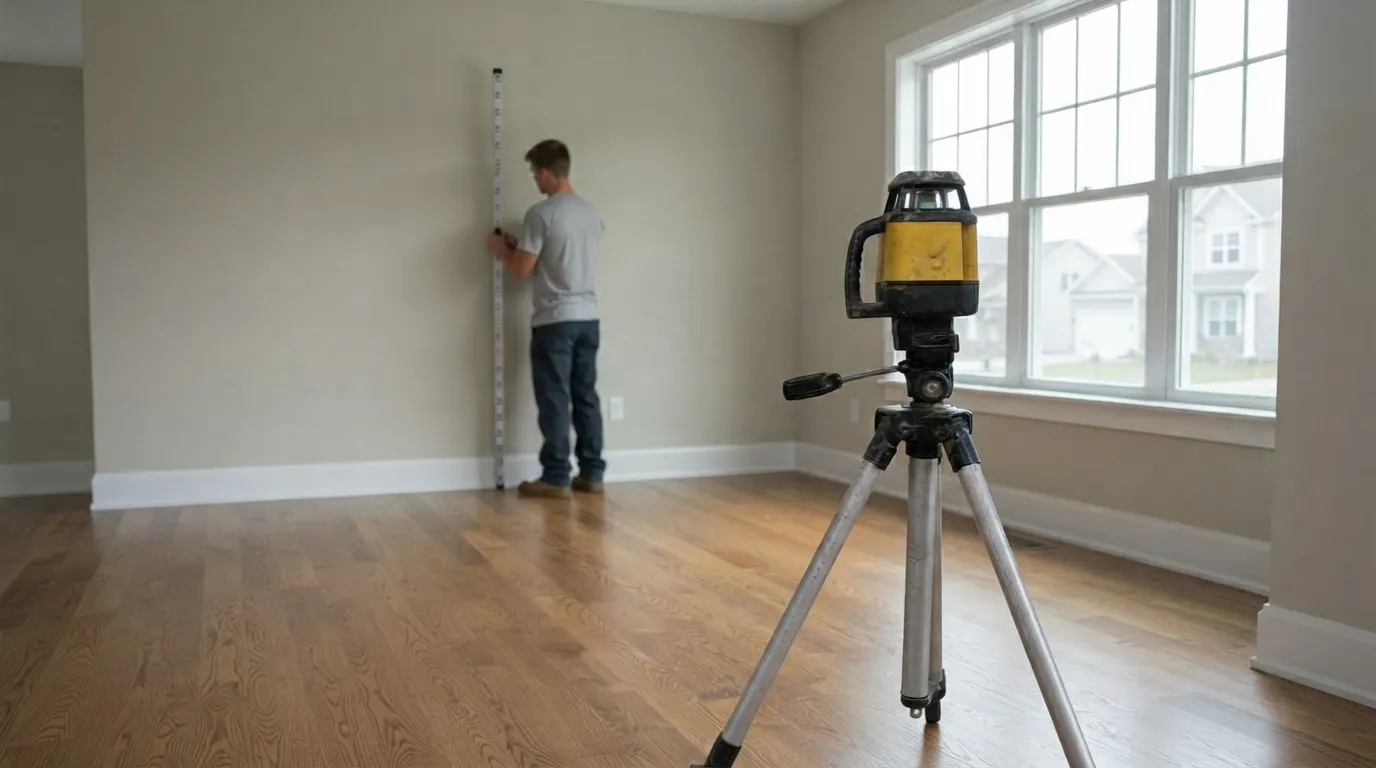
Foundation Inspection & Structural Evaluation
Foundation Inspection & Structural Evaluation in Athens, GA
Cracks, sticking doors or uneven floors? A foundation inspection in Athens, GA shows what is happening at your building.
Signs That Call for a Foundation Inspection
You do not need to be sure something is wrong to ask for a foundation inspection. These are signs a person can see. Each one can have more than one cause, and only an inspection confirms which.
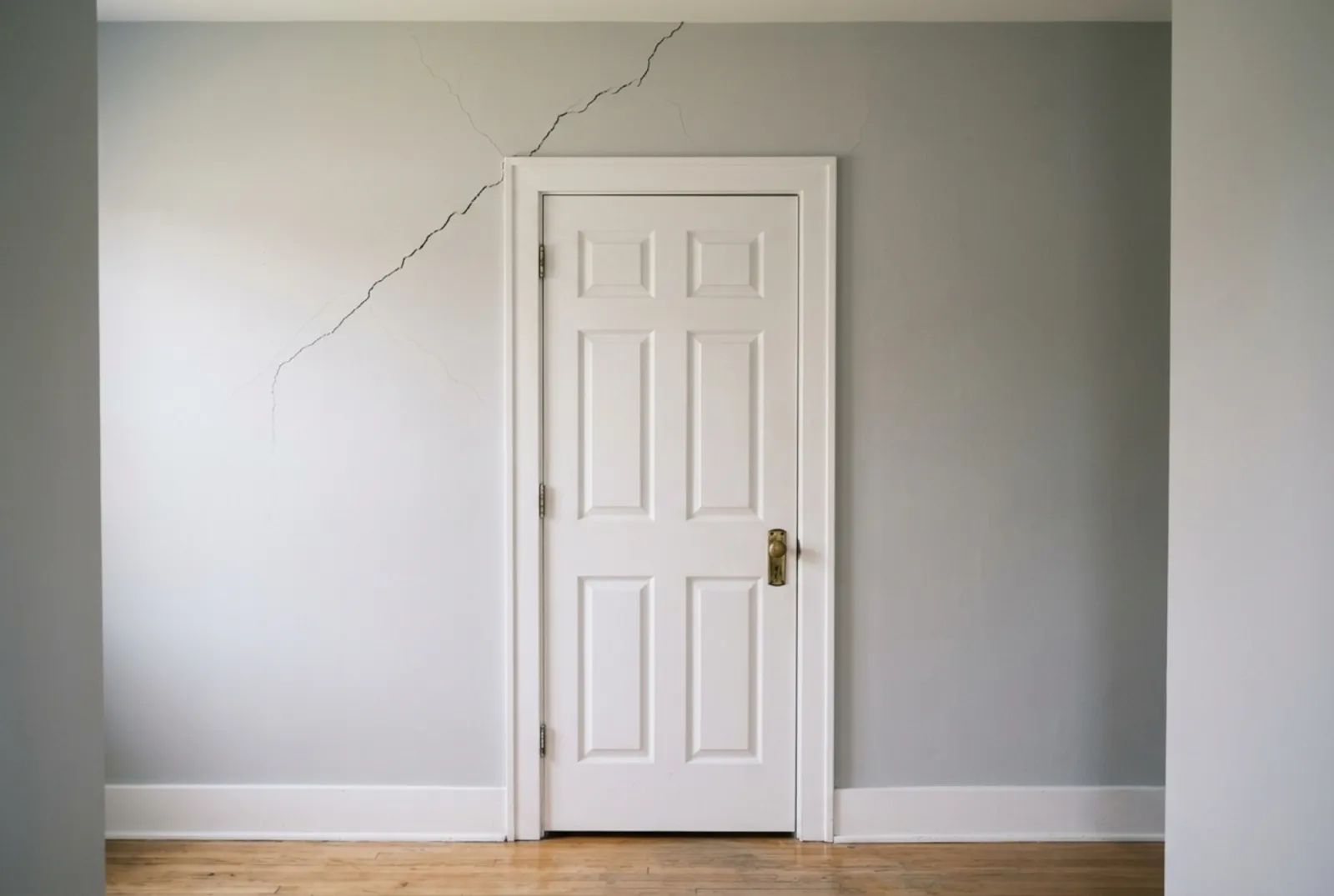
- Cracks in brick, block or drywall. Hairline cracks are common in any building. Wider or growing cracks, or stair-step cracks in brick, may mean movement.
- Doors and windows that stick or will not latch. The frame may have shifted. Humidity can also swell wood, so the cause needs checking.
- Floors that slope or feel bouncy. The ground, a beam or a joist may have settled. Only a look underneath or a level reading shows which.
- Gaps between a wall and the ceiling, floor or trim. Parts of the building may be moving at different rates. An inspection can tell old gaps from new ones.
- A chimney, porch or step pulling away from the wall. These parts sit on their own footings and can move apart. Water near them may play a part.
- Standing water or a wet crawl space. Water near the foundation can matter. See our drainage and water control page and the crawl space moisture page.
- Buying or selling a building with a known crack. A report on what is there gives both sides facts before a decision.
If you need repair, our foundation repair and piering page explains what comes next.
Walk-Through, Readings or an Engineer: Which Fits?
Not every foundation inspection is the same. Some questions need a walk-through, and some need measurements or an engineer. Here is how the common choices differ.
| Choice | What it does | Fits when | Limits |
|---|---|---|---|
| Visual walk-through | A trained eye checks the outside, the inside and any crawl space or basement, and notes what is seen. | You see a crack or a sticking door and want a first answer. | Shows signs, not measured movement. |
| Floor level readings | Readings at set points show how far a floor is from level. | Floors slope and you want a record of how much. | Shows the shape of the floor, not why it moved. |
| Crack monitoring | A gauge or marks on a crack are checked again after some time. | A crack is small and nobody can tell if it is still moving. | Needs a second visit to read the result. |
| Structural engineer evaluation | An engineer studies how the structure carries its load and writes a report. | The case is unclear, the damage looks serious, or a buyer or lender asks for one. | A separate professional with a separate fee. It describes the problem and does not repair it. |
What Happens at an Inspection Visit
- Tell us what you see. Describe the cracks, doors or floors, and when you first noticed them. Photos help the foundation inspection start with facts.
- Set the visit. A visit is arranged at your location. The work is performed by licensed and insured contractors.
- Walk the outside and the inside. The contractor looks at the ground, gutters, walls, floors, and any crawl space or basement that can be reached.
- Record what is found. Photos and notes mark where the cracks and gaps are. Readings may be taken where floors slope.
- Go over the findings. The contractor explains what the foundation inspection found, whether an engineer should be involved, and what repair, if any, fits. You get a free estimate.
What Moves the Cost of an Inspection
A foundation inspection does not have one set price. These things move it.
- The size of the building and how many areas must be checked.
- Whether there is a crawl space, a basement or only a slab, and how easy it is to reach.
- How many cracks, floors or walls need records or readings.
- Whether a structural engineer is needed, since that is a separate professional.
- Whether monitoring means a second visit.
- How far the building is from the contractor, across Athens-Clarke and the nearby towns.
- Whether repair work follows. Our foundation repair cost page explains what moves repair prices.
Older Buildings, Soil and Permits Around Athens
Athens-area records give some context for a visit. They describe the county or the soil series, not your building.
- Older buildings in Clarke County. The Census Bureau's 2020-2024 five-year estimates show a median year built of 1987 in Clarke County, with about 39.5% of housing units built before 1980. Oconee, Jackson and Barrow counties have median years built from 1998 to 2002. These are estimates for all kinds of housing, and they say nothing about foundation type.
- Low shrink-swell ratings. The USDA soil survey sample (queried October 9, 2026) rated every natural sampled point in Clarke, Oconee, Jackson and Barrow counties as low for linear extensibility. That is a measure of shrink and swell. The official descriptions for Cecil and Madison soils also list shrink-swell potential as low. Only a foundation inspection shows what is behind a crack at your building.
- Soil over weathered rock. The USGS Ground Water Atlas says the Piedmont is underlain by crystalline rock covered by regolith, and that saprolite makes up a large part of it. It says saprolite thickness is extremely variable.
- The local permit office. The Athens-Clarke Building Permits & Inspections page says the department exists to check compliance with adopted codes. A notice posted August 6, 2026 (updated October 2, 2026) says all permit submittals must use the new online portal from January 1, 2027. Ask that office whether a repair needs a permit.
Inspection and Engineer Questions in Athens, GA
What does a foundation inspection in Athens, GA include?
A foundation inspection in Athens, GA covers the ground and gutters outside, the walls, and the floors and doors inside. The contractor also checks any crawl space or basement they can reach. Photos and notes record what is found.
Do I need a structural engineer?
Not for every crack. An engineer is a separate professional who studies how the structure carries its load. The contractor can tell you if the findings call for one, and a buyer or lender may ask for one.
Are cracks in Georgia red clay always a problem?
No. Many cracks are small and stay small. The soil survey rates the main local soils low for shrink-swell, so a crack may have other causes that only a foundation inspection shows.
Does a foundation inspection tell me if I need a permit?
No. A foundation inspection tells you what is found, not what is required. Whether a repair needs a permit is a question for the local building office, such as the Athens-Clarke Building Permits & Inspections department.
How should I get ready for the visit?
Note where cracks are and when you first saw them, and take dated photos. Clear a path to the crawl space hatch or the walls you want checked, and write down any past repairs. This helps the foundation inspection go faster.
Contact Us Today for a Free Estimate
Not sure if a crack matters? Ask for a foundation inspection and tell us what you see. A licensed and insured contractor will look it over and give you a free estimate.